Ensuring reliable and safe vehicle systems through structured testing.
Services
Testing Methods In Automotive
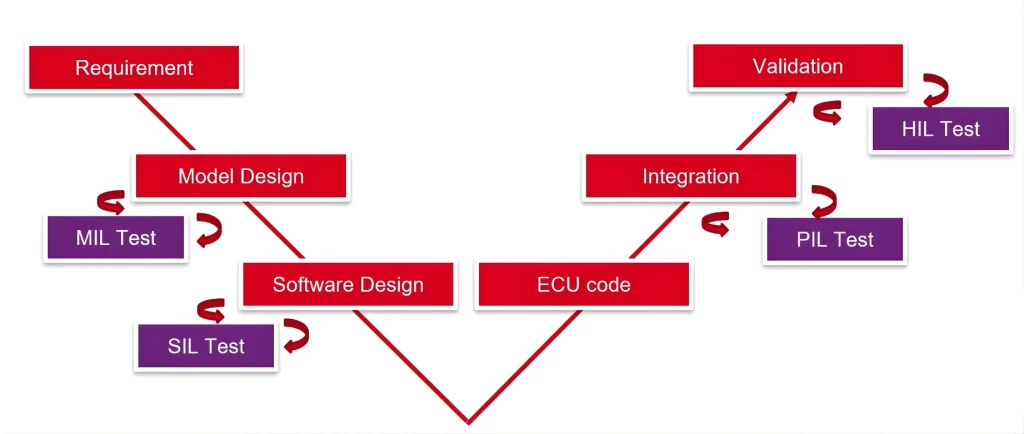
Testing Methods in Automotive
Testing Methods in Automotive
Automotive testing methods are critical for ensuring the safety, reliability, and performance of modern vehicle systems. Techniques such as MIL, SIL, PIL, and HIL enable systematic validation of models, software, processors, and hardware throughout the entire product development lifecycle. These methods help identify issues early, reduce development risk, and accelerate time-to-market.
End-to-End Expertise
All-in-one software, engineering, automation and testing
Reliable Testing
Precise, dependable testing for critical systems
Future-Ready Innovation
Smart digital manufacturing integration
On time Delivery and Installation Commitment
Timely delivery and installation as per commitment.
World Class Solution with Cost Effective
Global-standard solutions at optimized cost.
Key Advantages and Benefits of Advanced Automotive Testing Methods
Automotive testing methods are essential to validate vehicle systems for safety, performance, and reliability. They help detect issues early in development, reduce risks, and ensure compliance with industry standards before production and deployment.
Applications
- Engine & Powertrain Control Systems
- EV Motor, Inverter & BMS Testing
- ADAS & Vehicle Control Units
- End-of-Line (EOL) Validation
- Functional Safety & Compliance Testing
Key Advantages
- Early fault detection
- Reduced development cost and time
- Improved product reliability
- Safe and repeatable testing environment
- Engine & Powertrain Control Systems
- EV Motor, Inverter & BMS Testing
- ADAS & Vehicle Control Units
- End-of-Line (EOL) Validation
- Functional Safety & Compliance Testing
- Early fault detection
- Reduced development cost and time
- Improved product reliability
- Safe and repeatable testing environment
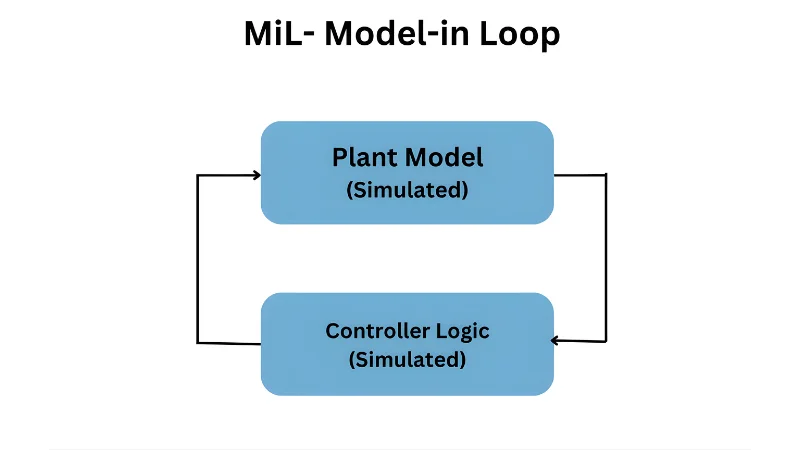
MIL testing focuses on validating control algorithms and system logic using mathematical models before software coding begins. It allows engineers to evaluate system behavior under different operating conditions at the concept stage.
Benefits:
Early design validation
Faster algorithm optimization
Reduced rework in later stages
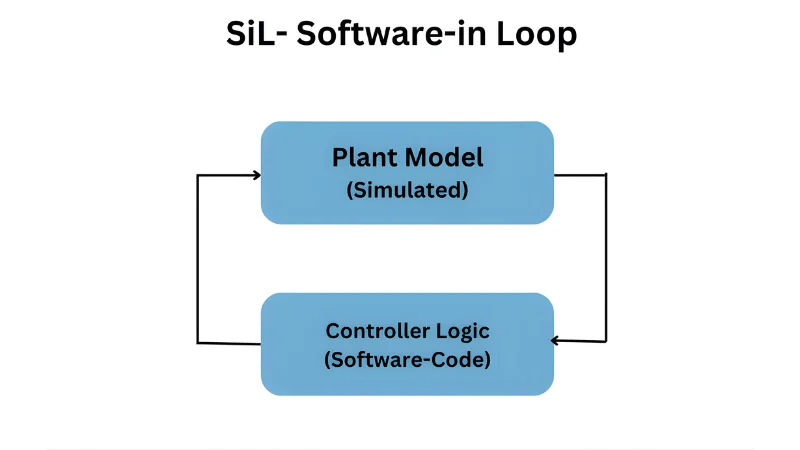
SIL testing validates the actual software code by running it in a simulated environment without physical hardware. This step ensures functional correctness and software stability before deployment to target processors.
Benefits:
Early software bug detection
Improved code quality
Safe and cost-effective testing
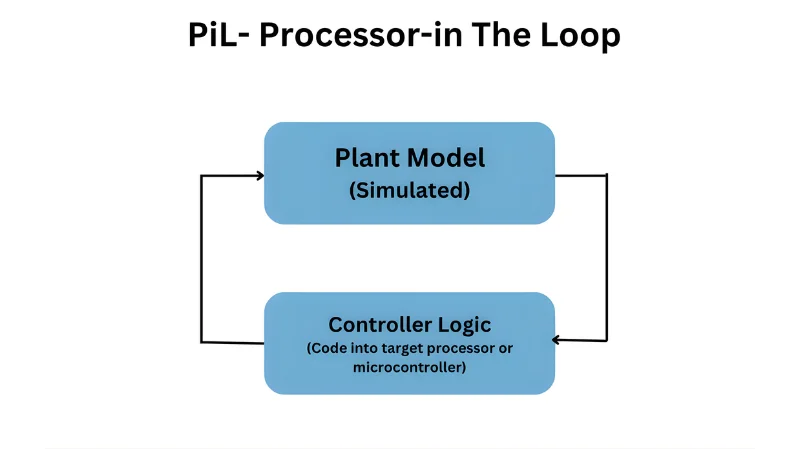
PIL testing executes the compiled software on the target microcontroller or processor, while the rest of the system is simulated. It helps evaluate execution timing, memory usage, and processor-specific behavior.
Benefits:
Processor-level validation
Performance and timing analysis
Reduced integration issues
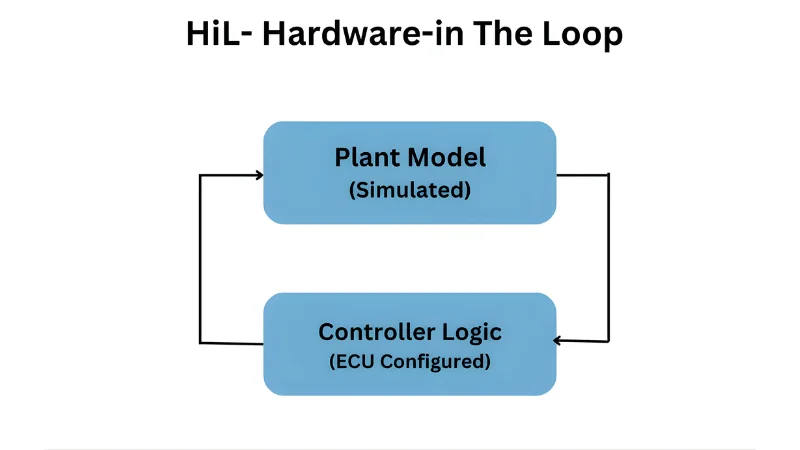
HIL testing integrates real hardware (ECU or controller) with a real-time simulator that mimics vehicle or system behavior. It is used for final validation under realistic and extreme conditions without using a physical vehicle.
Benefits:
Real-time system validation
Safe testing of fault scenarios
High confidence before production
Our FAQs
Frequently Asked Questions
Find answers to the most common queries about KAPVL’s drivetrain testing, automation and engineering solutions. This section provides clear, concise information to help you understand our services, processes and expertise, allowing you to resolve your doubts quickly and confidently.
We provide complete solutions in drivetrain testing, automation, software development, engineering & turnkey testing systems.
Yes. We design and deliver custom test benches, automation systems and software tailored to specific customer requirements and components.
We specialize in testing Engines, ECV Programming and Development, EV Motors, EV Batteries, E-Axles, Powertrains, Transmission Systems, and other automotive components.
LOTUS is our in-house testing software designed for automation, data acquisition, analysis, AI & ML-based testing and complete test management.
Yes. We offer turnkey end-of-line testing systems including hot/cold test benches, leak testing equipment, waxing systems & conveyor setups.
KAPVL tests a wide range of drivetrain systems, including engines, EV motors, batteries and complete powertrain assemblies, using advanced test benches and in-house software for accurate and reliable results.